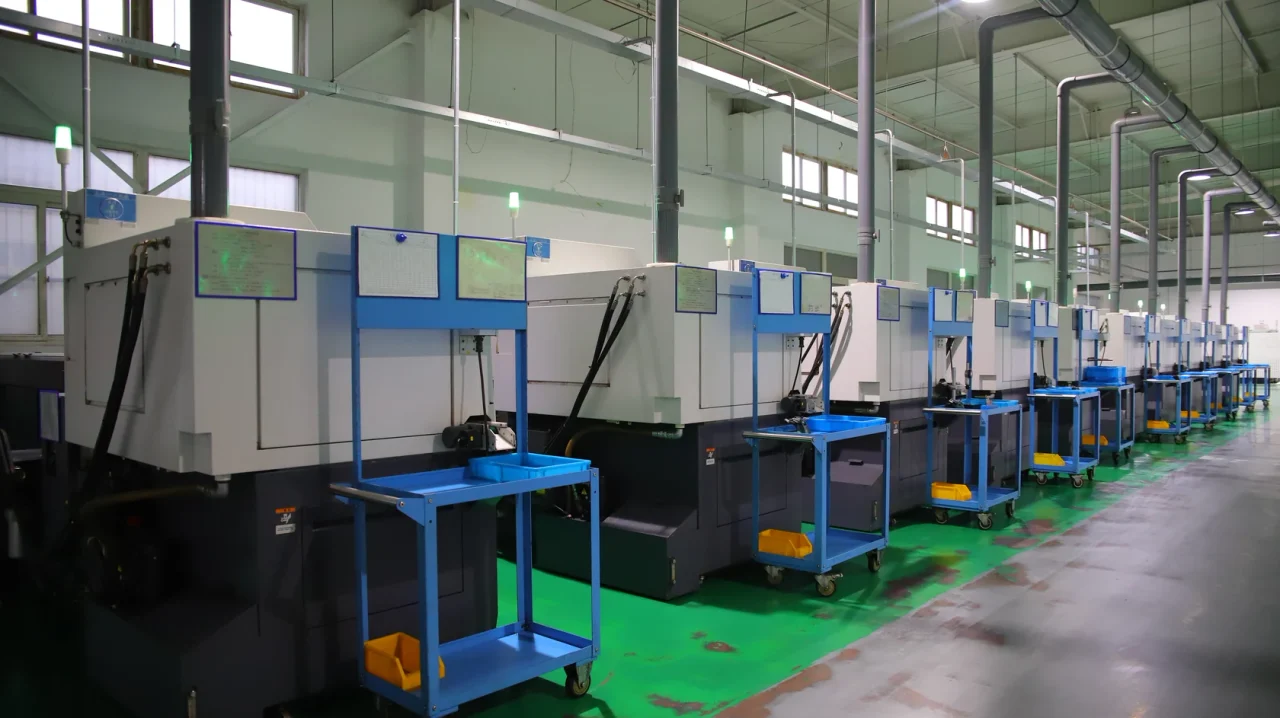
Brackets, adapters, hubs and other custom components depend on their interfaces with the surrounding assembly. Provide mating dimensions, fastener requirements and the finish condition in which the part will be accepted. Design validation remains part of the overall product development process.
Representative sample; material and process requirements are confirmed for each project.
At A Glance
| Project focus | What to provide |
|---|---|
| Fits, bearing seats and mating dimensions | Mark the relevant features on the drawing |
| Threads and fastening requirements | Include the applicable specification |
| Cosmetic surfaces and finish allowances | Define final acceptance before quotation |
| Inspection of related features from common datums | Identify any required records or approvals |
Start with the assembly interfaces
Identify the surfaces and features that locate this component in the complete assembly. Include the relevant datums, mating dimensions, fasteners and finish condition.
Agree on the manufacturing scope
Specify whether the inquiry covers a single component, an assembly, a prototype or repeat production. Include any outsourced treatment, documentation or customer approval requirements so they can be reviewed before order confirmation.
Make acceptance measurable
Use the drawing and an agreed inspection plan to define the finished part. Any sector-specific qualification, testing or approval requirement must be confirmed separately; it is not implied by the example applications shown here.
Frequently Asked Questions
Are the examples customer case studies?
No. They illustrate possible component and drawing-review topics, not verified customer relationships or completed projects.
How are special industry requirements handled?
Include them with the inquiry. Material, process, traceability, qualification and inspection requirements need explicit review before a commitment is made.