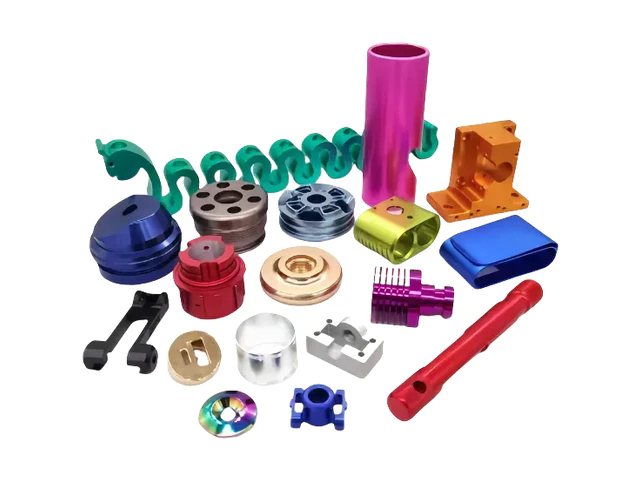
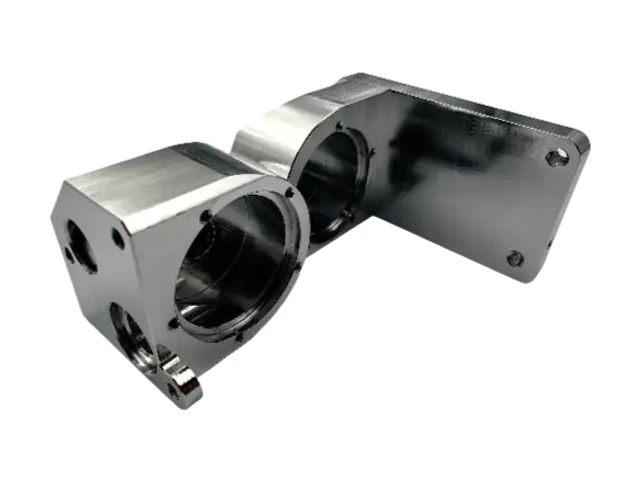
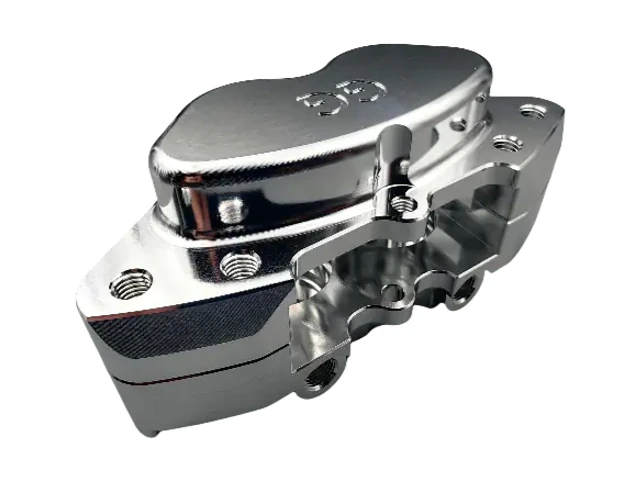
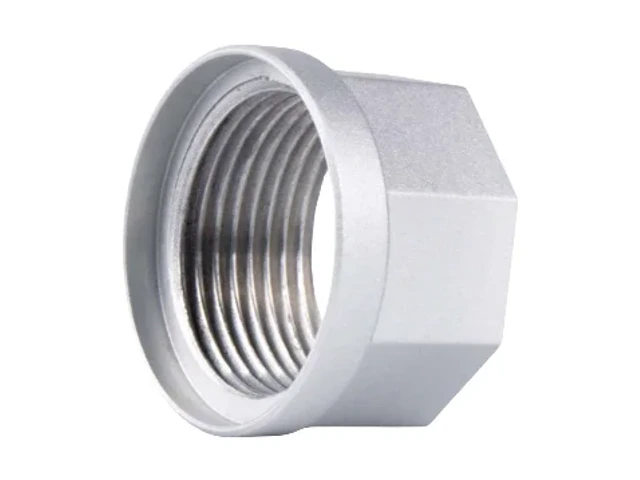
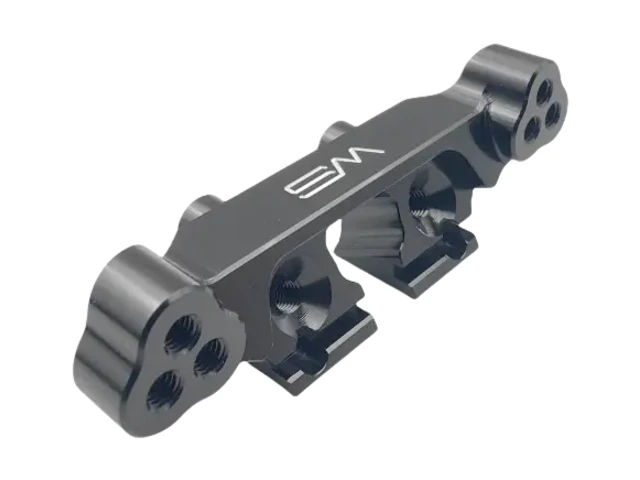
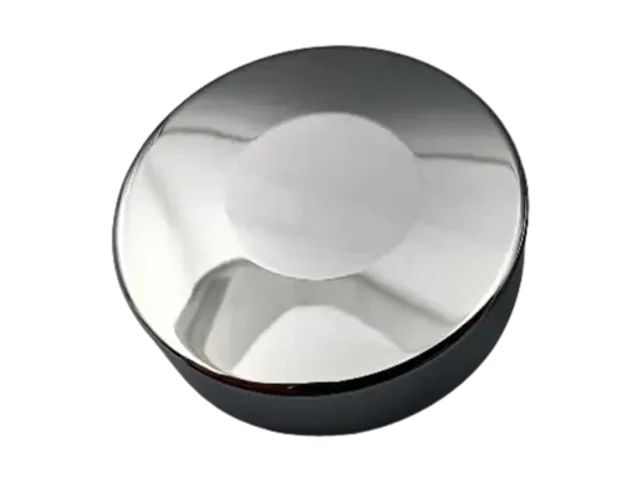
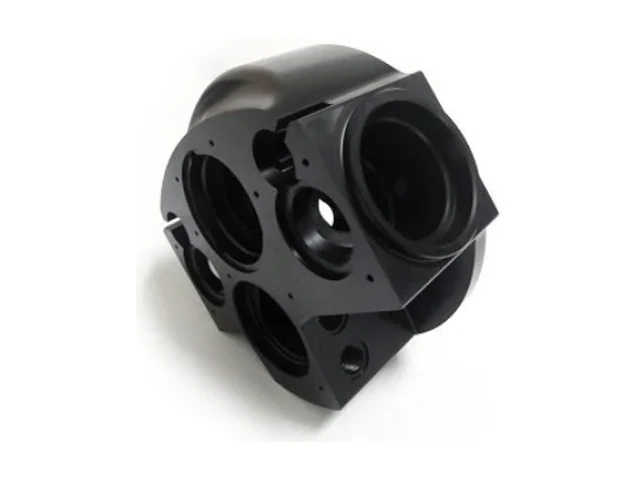
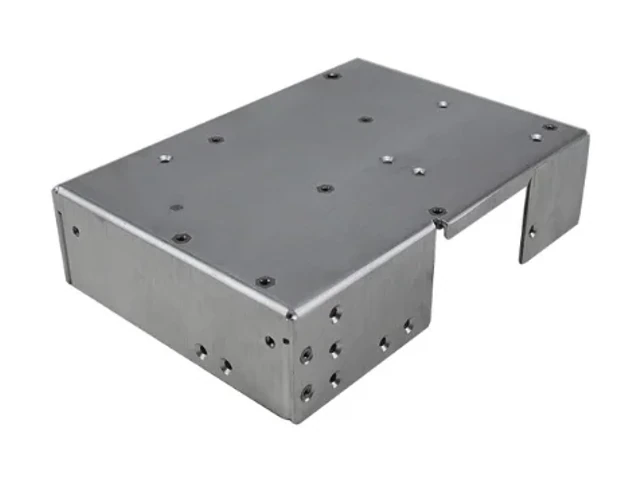

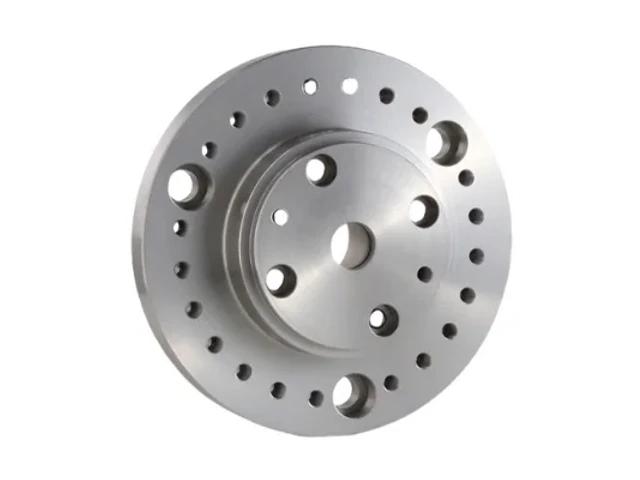
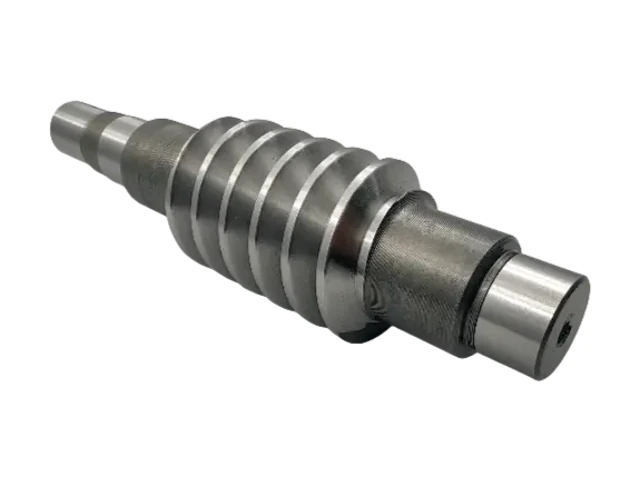
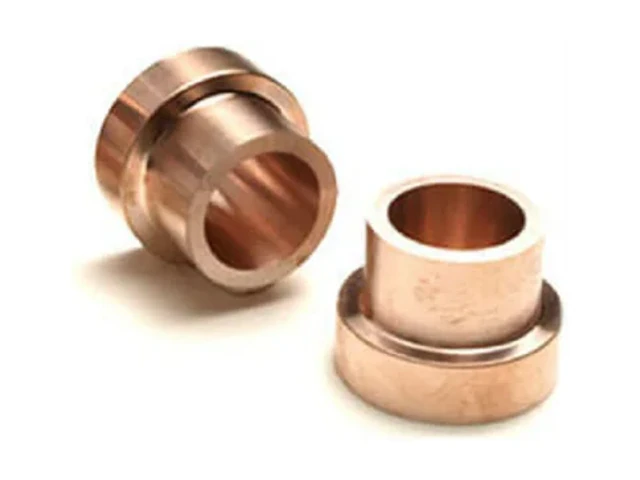
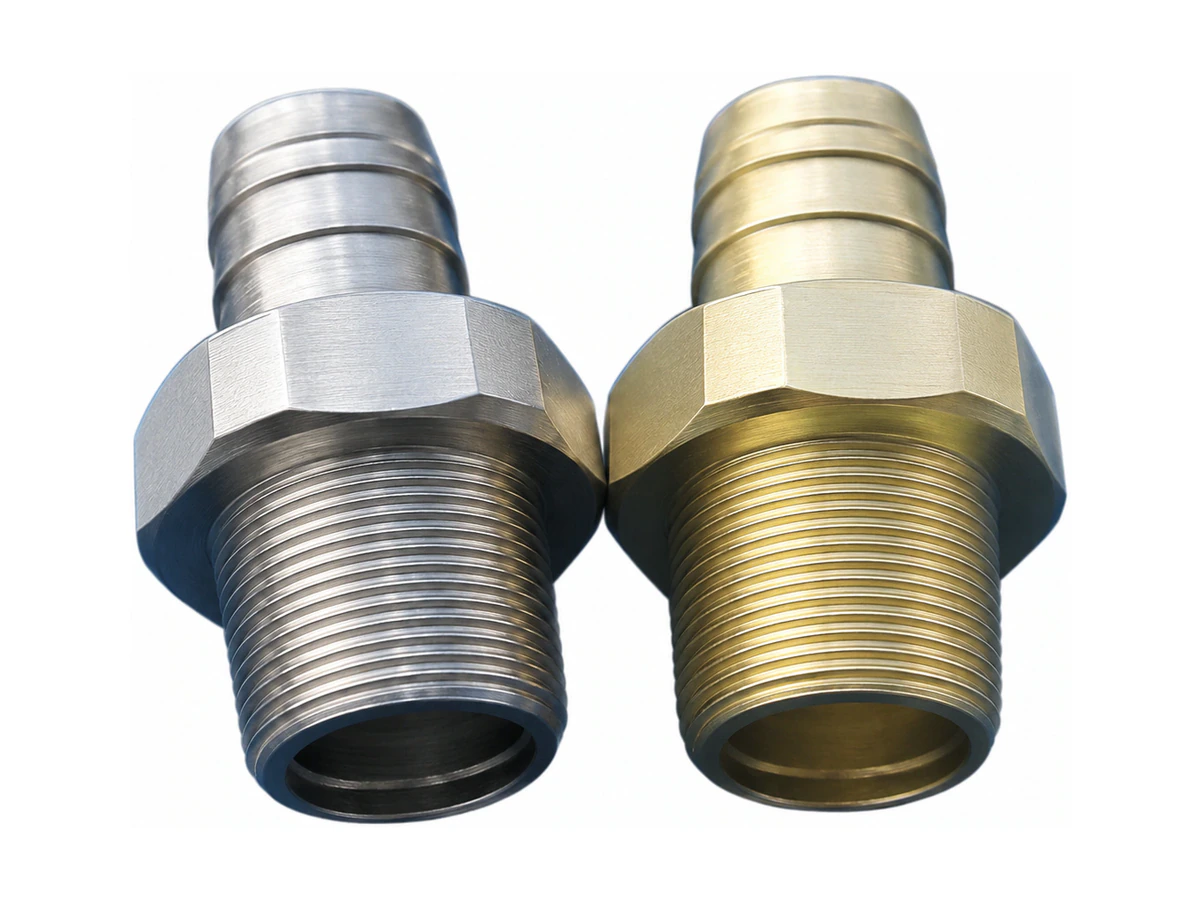
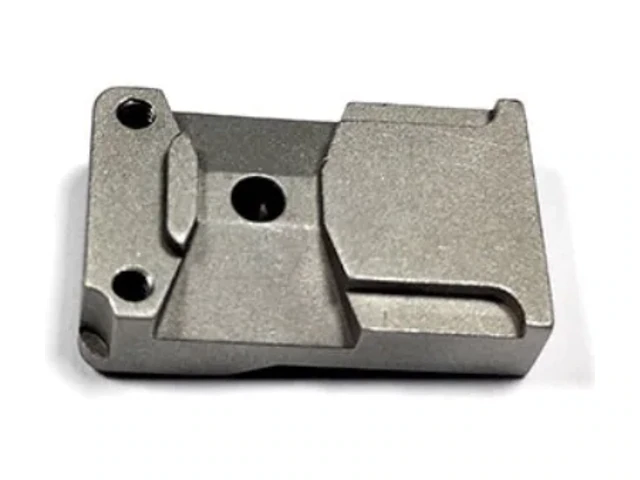
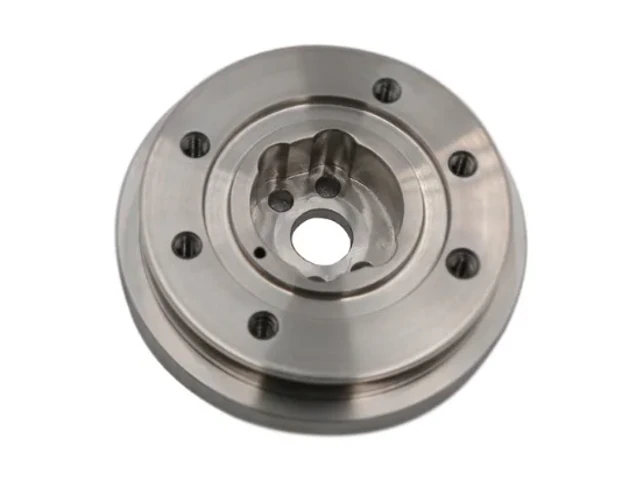
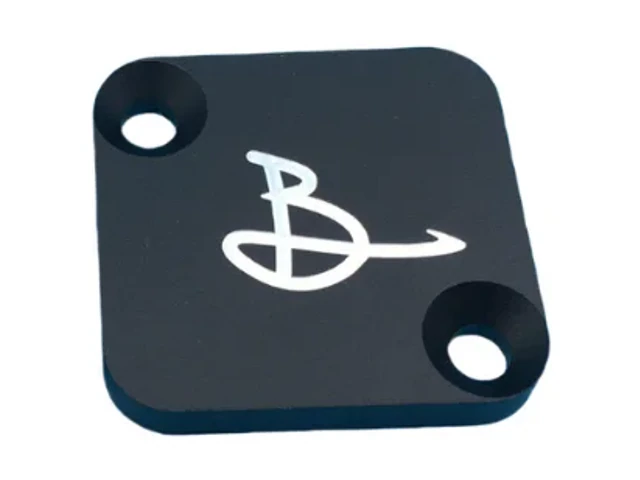
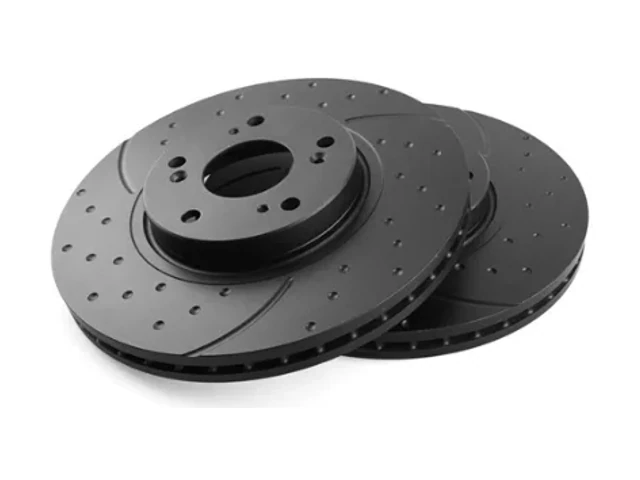
A finish is part of the drawing specification. It can change the appearance or condition of a surface and may affect how the part fits or is measured. Select a process with the material, mating surfaces and final acceptance requirements in mind.
At A Glance
| Review area | Typical considerations |
|---|---|
| Appearance | Color, gloss, texture and approved comparison samples |
| Functional surfaces | Fits, contacts, sealing surfaces and masked areas |
| Process sequence | Machining, treatment and final inspection order |
| Records | Requested process documentation and inspection evidence |
Specify more than a process name
A label such as anodized or polished can leave important questions unanswered. State the applicable specification when one is required, and identify the visual and functional surfaces separately.
Protect the features that must not change
Threads, precision bores, electrical contact areas and sealing faces may need process-specific handling. Describe the desired final condition rather than relying on a general finish note.
- State finish type and any applicable specification
- Identify masking and no-treatment areas
- Define final dimensions after treatment
- Provide a color or visual sample when needed
Approve the final condition
Inspection should be tied to the drawing and the agreed finish requirements. For visual acceptance, define what is compared, how it is viewed and whether a sample must be approved before a batch proceeds.
Frequently Asked Questions
Is every finish compatible with every material?
No. The material grade and the requested finish must be reviewed together.
Are dimensions checked before or after finishing?
The drawing and inspection plan should state this. Critical final dimensions should be identified during quotation.