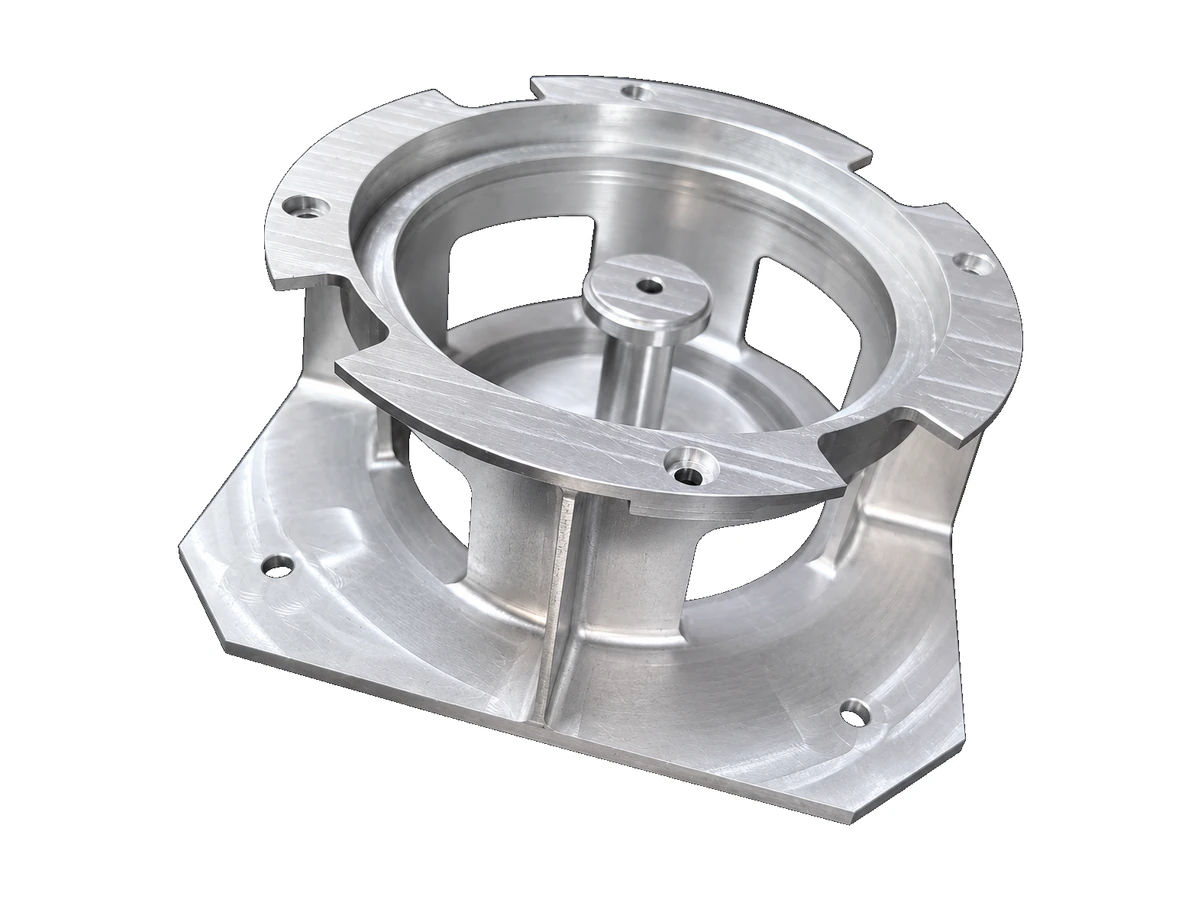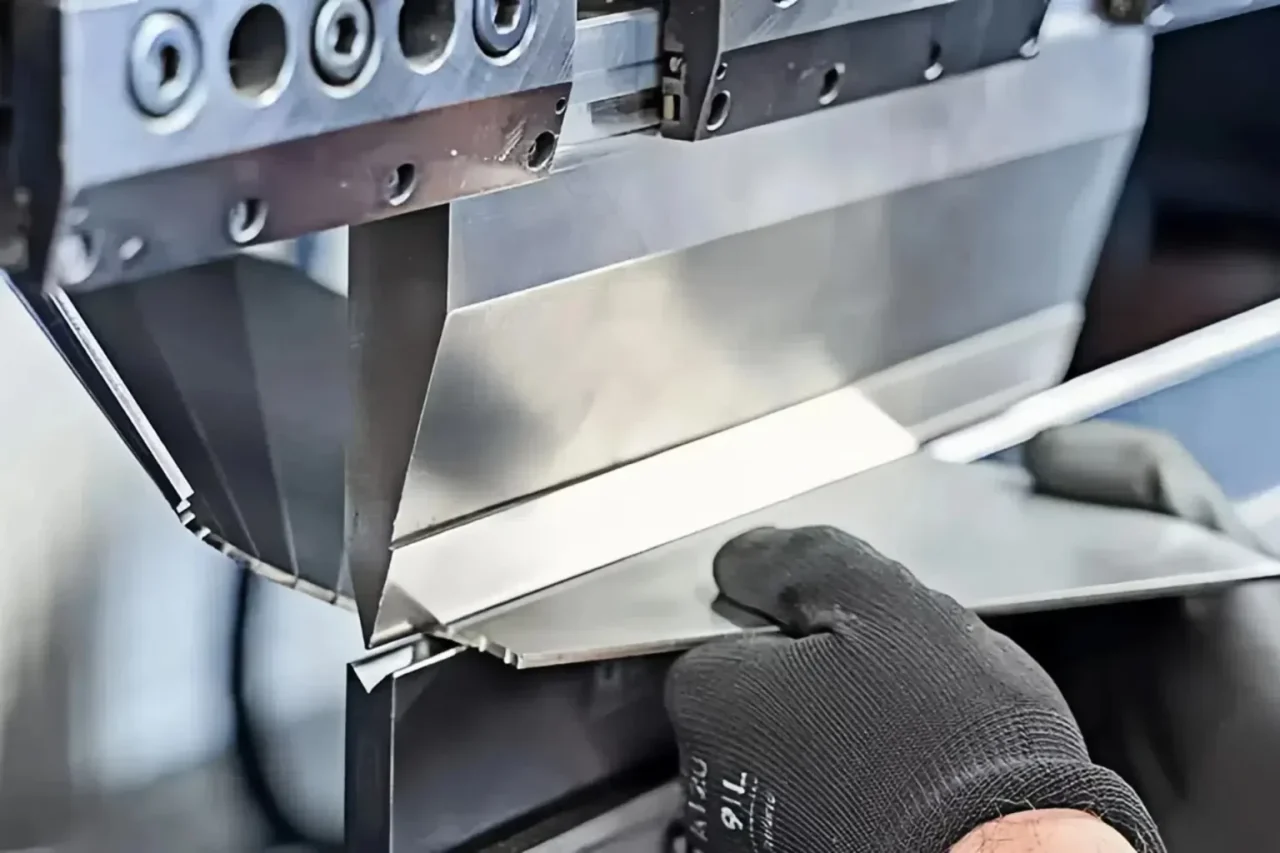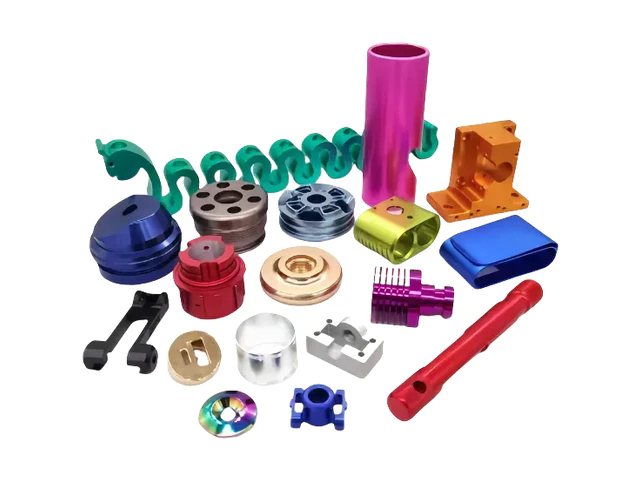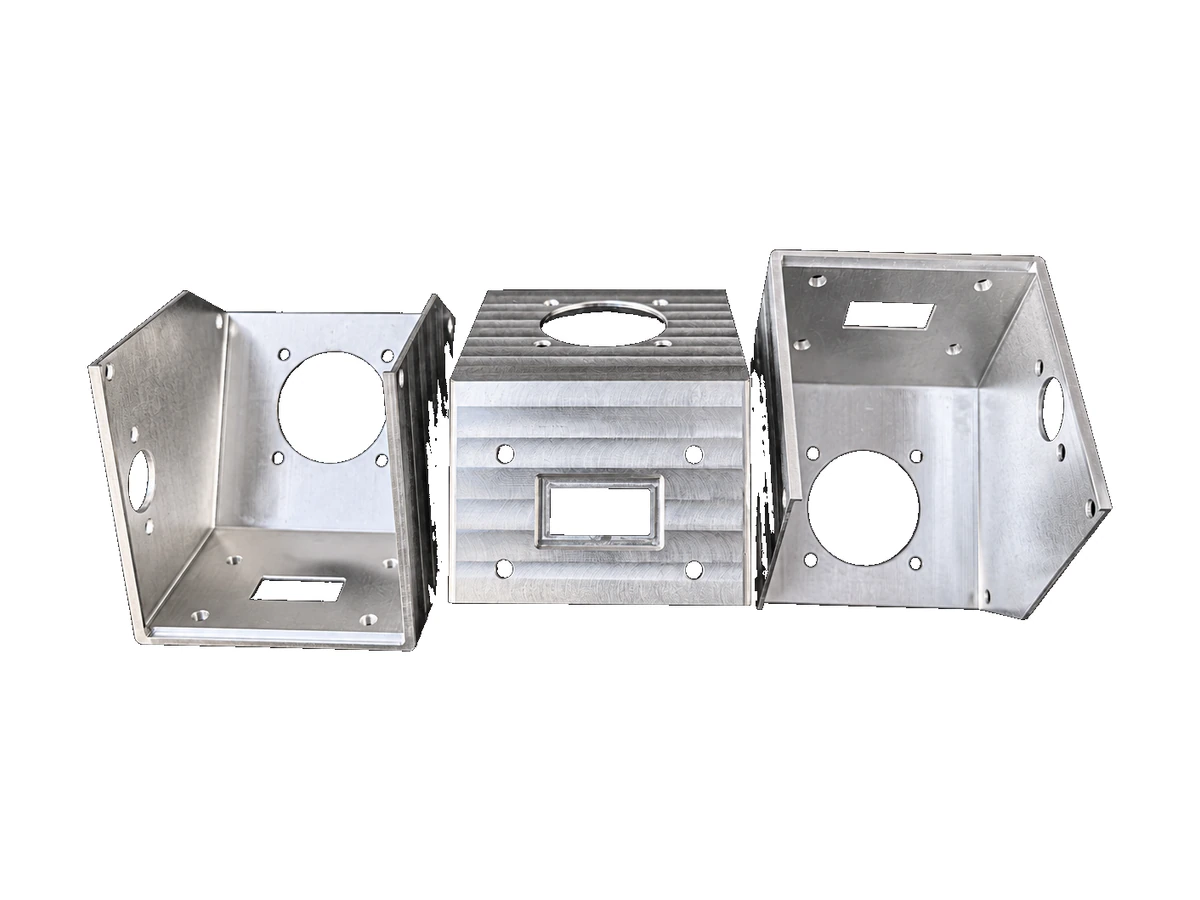
CNC machining removes material from a blank to produce the geometry defined by your model and drawing. A useful quotation considers more than the outside shape: workholding, internal features, threads, tolerances and finishing all affect the process. YUKAI brings these requirements together in a project review before production.
At A Glance
| Review area | Typical considerations |
|---|---|
| Milling | Housings, pockets, mounting faces and non-rotational features |
| Turning | Shafts, sleeves, rings and rotational features |
| Combined operations | Parts that require both turned and milled features |
| Engineering plastics | Material-specific machining and handling review |
Choose the process around the part
Turning is often considered for rotational geometry, while milling supports faces, cavities and features away from the rotational axis. Parts may use a combination of operations. The proposed route should preserve the datum relationships that matter to the assembly.
Make critical requirements visible
Use the drawing to distinguish critical features from general dimensions. Over-specifying every surface can add work without improving the function of the part.
- Dimension holes, threads, fits and sealing surfaces
- State material grade and any required documentation
- Define deburring and edge-break requirements
- Identify surfaces that need protection during handling
Prototype and repeat orders
Prototype work focuses on verifying the drawing and assembly. Repeat production also needs stable revision control, an agreed inspection plan and a clear definition of the approved finish. Quote quantities separately when comparing prototype and production orders.
Frequently Asked Questions
Can metal and plastic parts be reviewed?
Yes, the website supports requests for both. The exact grade, geometry and process suitability are confirmed for each inquiry.
What files should I provide?
Send a STEP model and a PDF drawing, including material, quantity, finish, threads and critical tolerances.