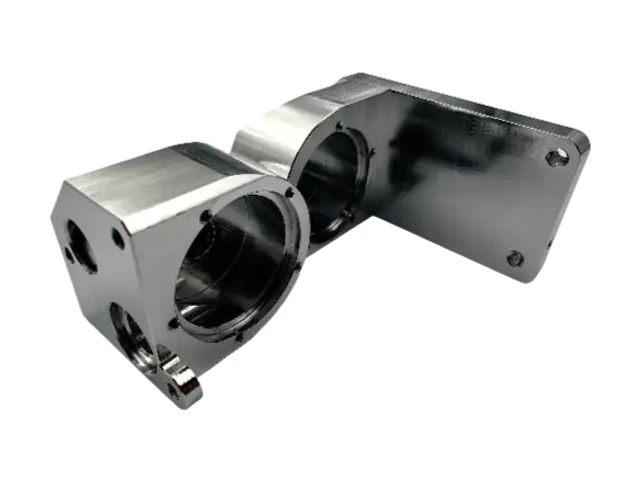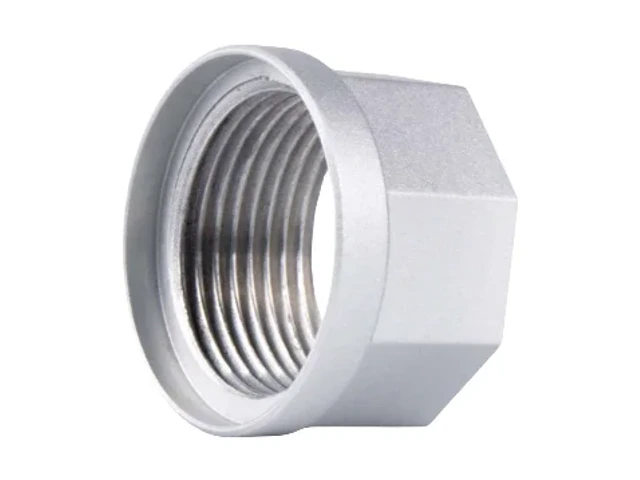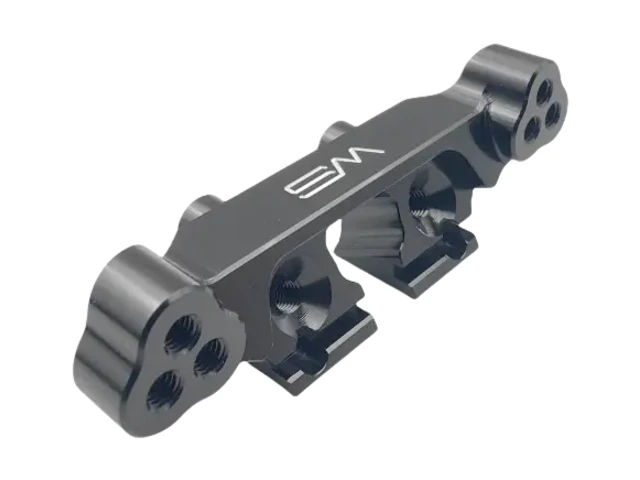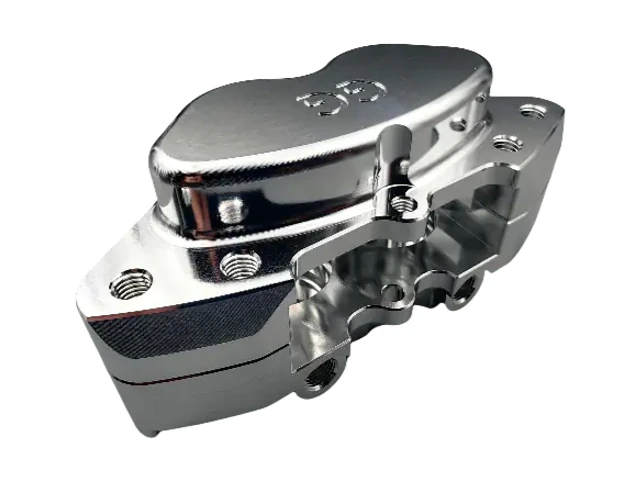
Smooth can mean different things to different people. A drawing should identify surface roughness, the affected area and any cosmetic reference used for acceptance.
Representative sample; material and process requirements are confirmed for each project.
At A Glance
| Finish detail | Quotation input |
|---|---|
| Specified roughness | Specify on the drawing or include with the quotation request |
| Functional versus cosmetic surfaces | Specify on the drawing or include with the quotation request |
| Inspection or comparison method | Specify on the drawing or include with the quotation request |
What belongs on the drawing
Name the finish and identify the exact surfaces to which it applies. Include the applicable standard or approved sample when the process name alone does not define the requirement.
Check interfaces before treatment
Review threads, mating fits, sealing faces, electrical contacts and cosmetic areas. State where masking or other protection is required and whether dimensions apply before or after treatment.
Approve and inspect the final condition
Agree on the acceptance method before the batch is finished. Process documents and visual comparisons should be linked to the drawing revision and the project requirements.
Frequently Asked Questions
Can this finish be applied to my material?
Compatibility is reviewed using the exact material grade and process specification. This page does not guarantee suitability for every material.
What should a visual sample show?
Show the intended color, texture and appearance, identify the critical surfaces, and agree on the viewing and acceptance conditions.