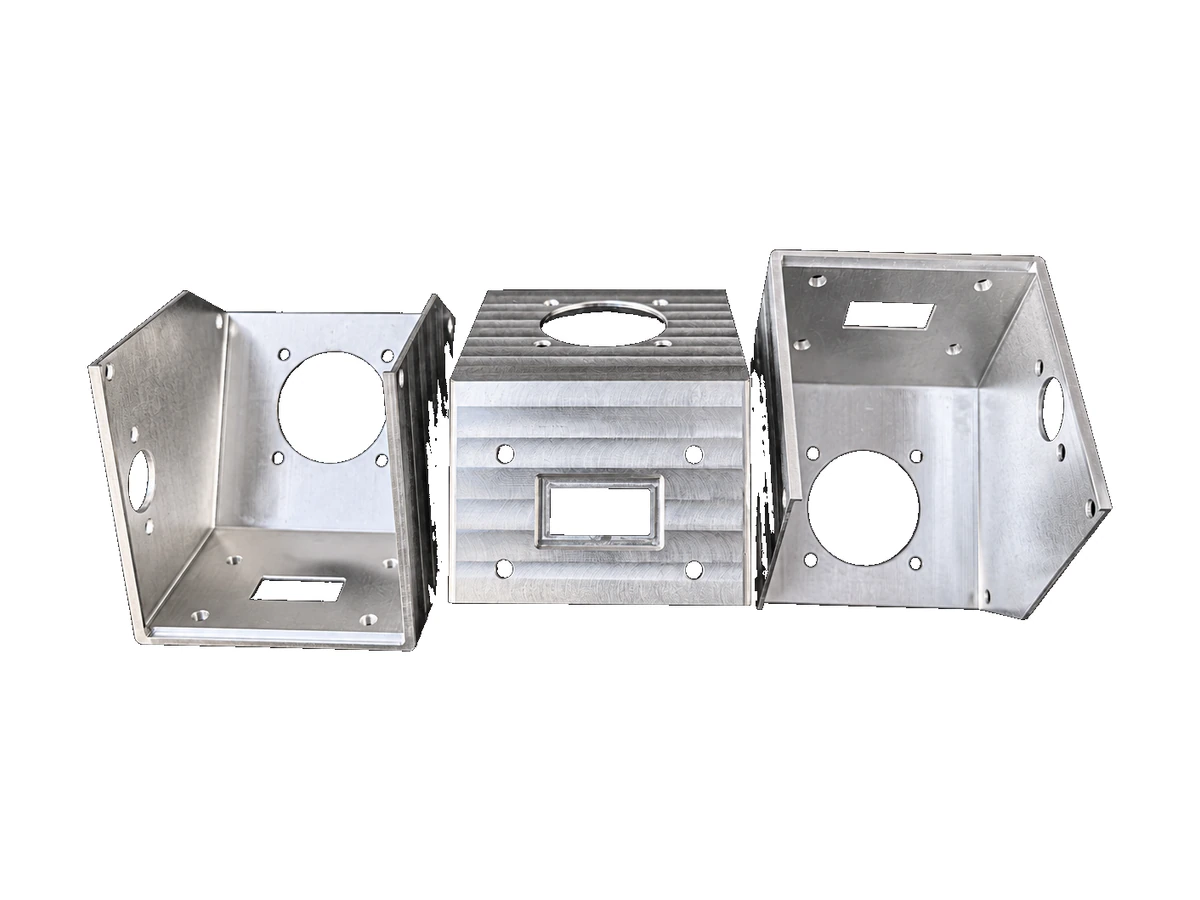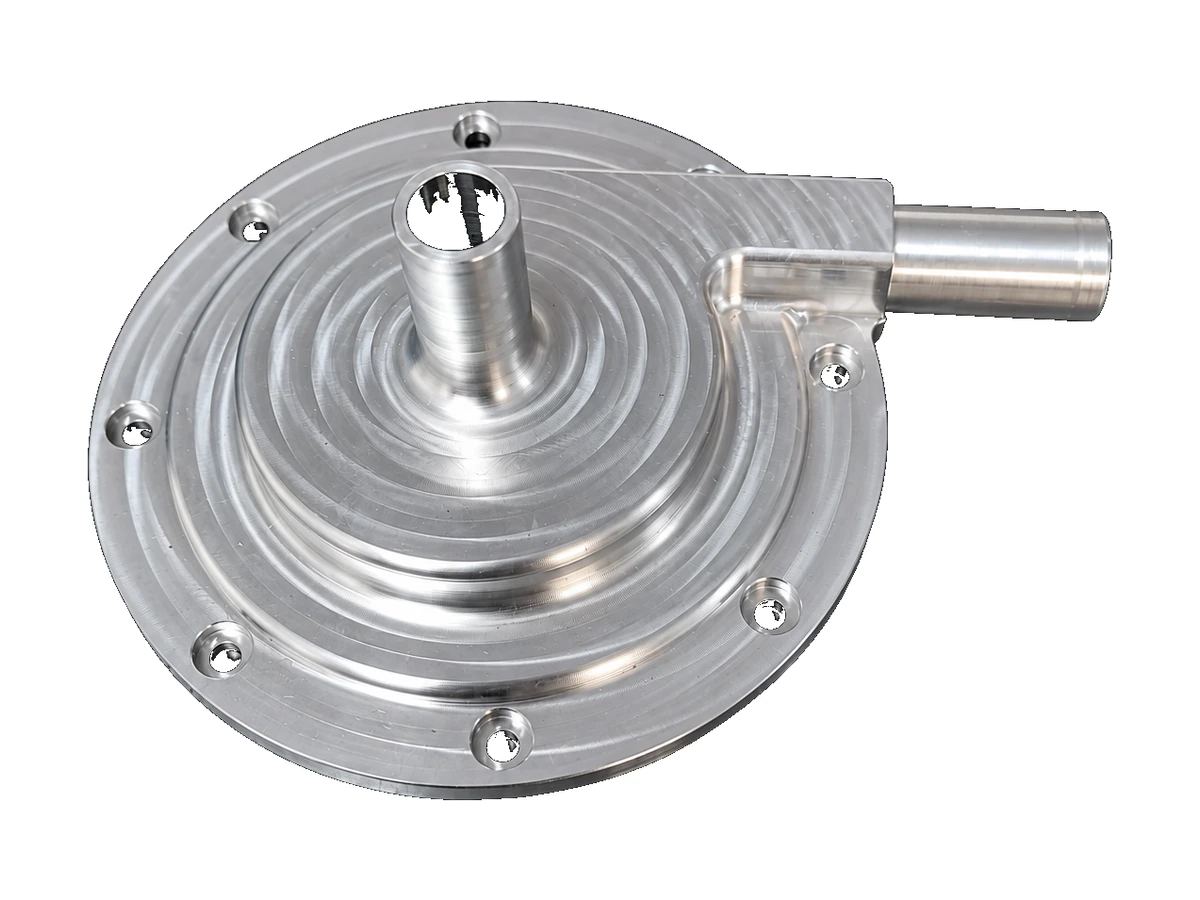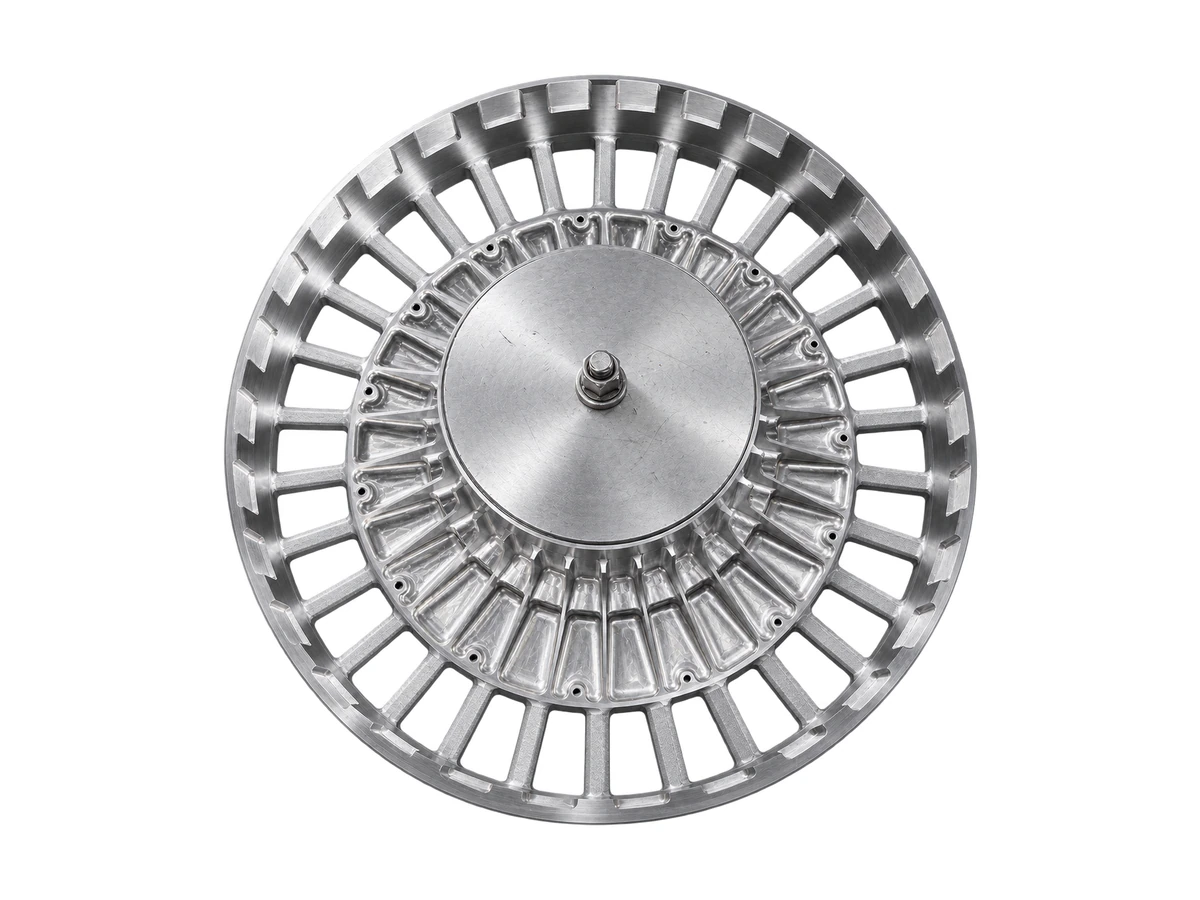
A CAD model gives the supplier the shape, but it does not always explain the functional relationships. Mark critical datums, sealing faces, fits and cosmetic surfaces on the drawing. Explain which features need to be evaluated together in the final assembly.
2. Review tool access
Identify deep cavities, narrow slots, angled features and internal corners. The process review should consider how the cutter reaches each feature and how the part is supported. A small design change can sometimes make the manufacturing route easier to control, but changes require design approval.
3. Choose indexed or continuous motion deliberately
Five-axis capability is not a single process plan. The machining strategy depends on the shape, setup and required surfaces. Discuss which features need continuous motion and which can be reached through indexed orientations instead of prescribing a machine movement without reviewing the geometry.
4. Plan the inspection route
A difficult-to-machine feature may also be difficult to measure. Identify the inspection datums, accessible measurement surfaces and any required records. Review these requirements before the first part is produced, particularly when several features depend on a common reference.
5. Release a complete package
Issue a consistent model and drawing revision, material specification, quantity and finish requirement. Record the agreed manufacturing assumptions and resolve technical questions before approval. For repeat orders, confirm that the revision and acceptance criteria remain unchanged.