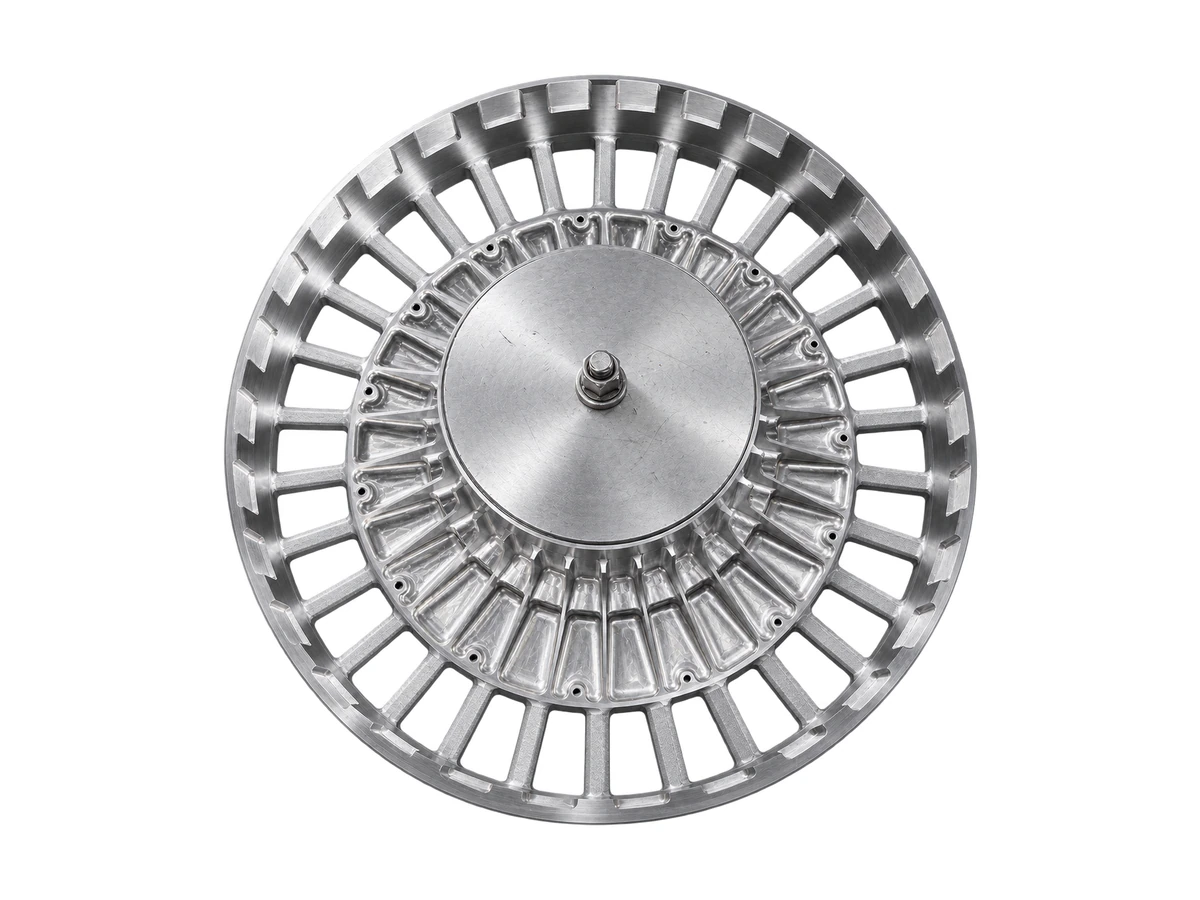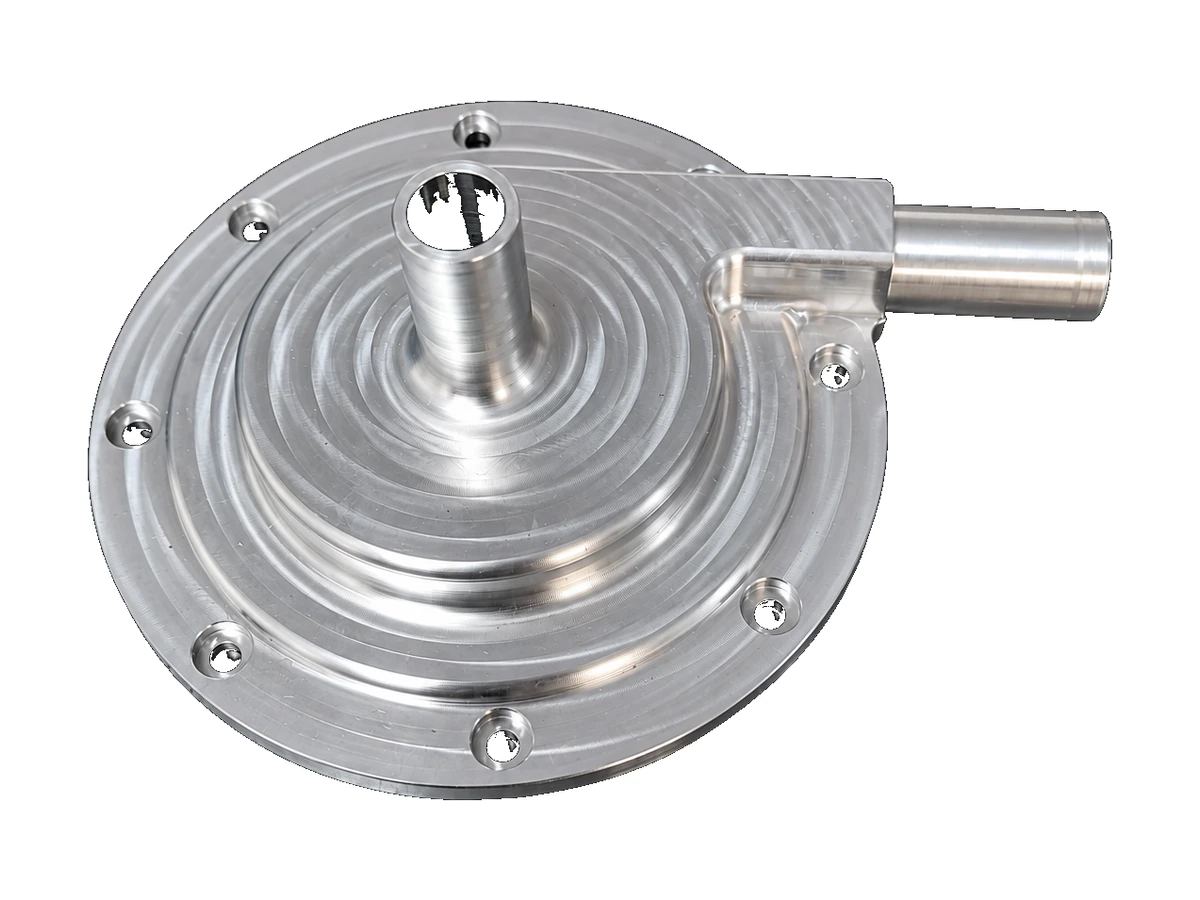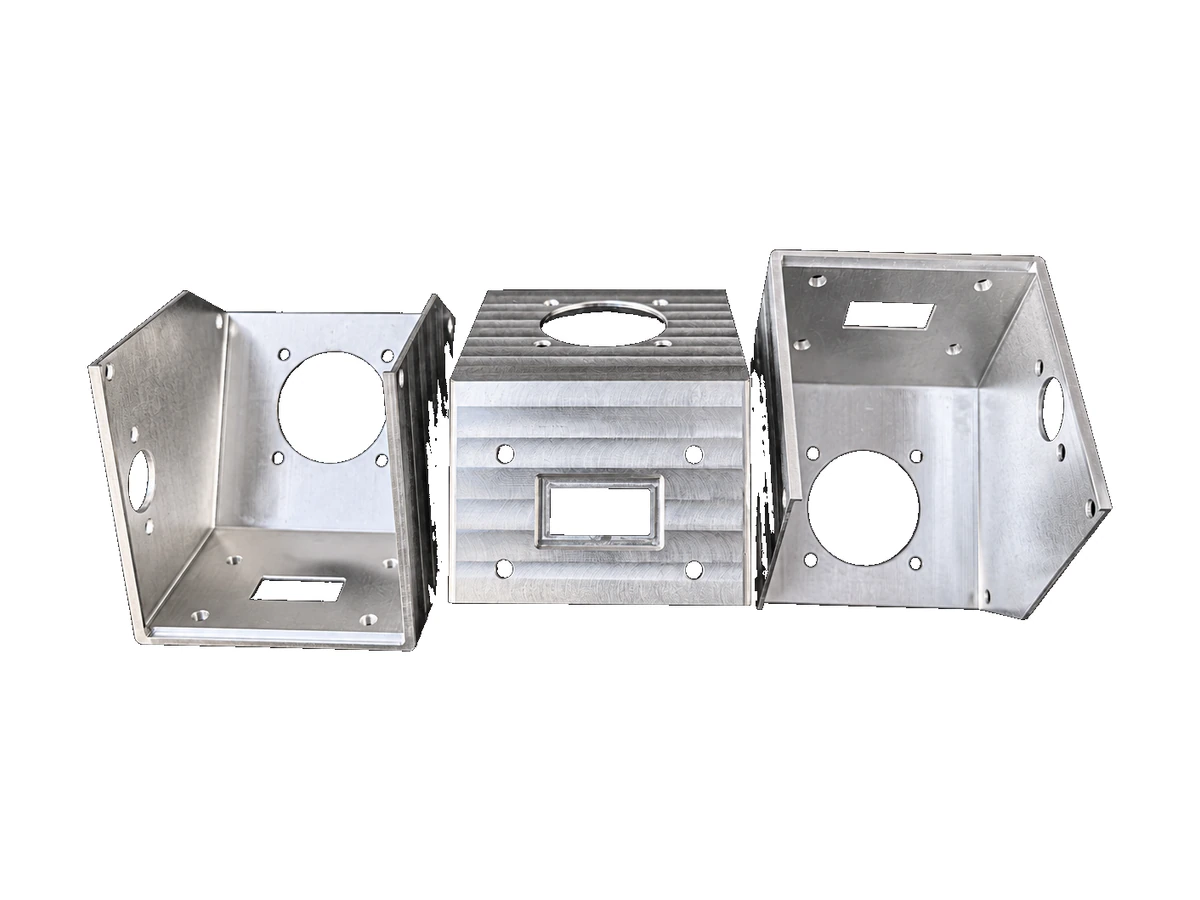
List what the part must do in its assembly before choosing a material. Identify the relevant environment, mating components, functional surfaces and appearance requirements. Keep the manufacturing drawing connected to the product requirements rather than treating material selection as a separate purchasing decision.
2. Use an exact designation
A material family can include grades, tempers, fillers or supplied conditions with different requirements. Include the complete designation and the applicable standard where needed. If a supplier proposes an alternative, review and record the approval before production.
3. Consider machining and finishing together
The manufacturing review should consider the required features, stock form and final treatment. A material that fits the functional requirement may still need changes to the machining route, finish specification or inspection approach. Bring these questions into the quotation discussion.
4. Define documentation and acceptance
Request material certificates or traceability when the project requires them. State how the finished dimensions and surfaces will be inspected and whether any special inspection condition applies. Avoid leaving these requirements until the parts have already been manufactured.
5. Make quantity comparisons meaningful
Separate prototype and production quantities. Confirm whether material purchasing, setup, finishing and inspection are included in each quotation. Compare offers against the same drawing revision and material specification so the result reflects a consistent scope.